Discover the Convenience of Light Weight Aluminum Castings: Vital Facts and Providers You Must Know
Aluminum spreadings are progressively recognized for their adaptability throughout numerous fields. Their light-weight nature, rust resistance, and strength-to-weight ratio make them a preferred selection in numerous applications. From automobile to aerospace, the adaptability of these castings is remarkable. The techniques of production and the array of services available often go unnoticed. Recognizing these aspects can significantly impact task end results and efficiency. What necessary truths and solutions should one think about when discovering light weight aluminum spreadings?
The Quality That Make Light Weight Aluminum Castings Suitable for Various Industries
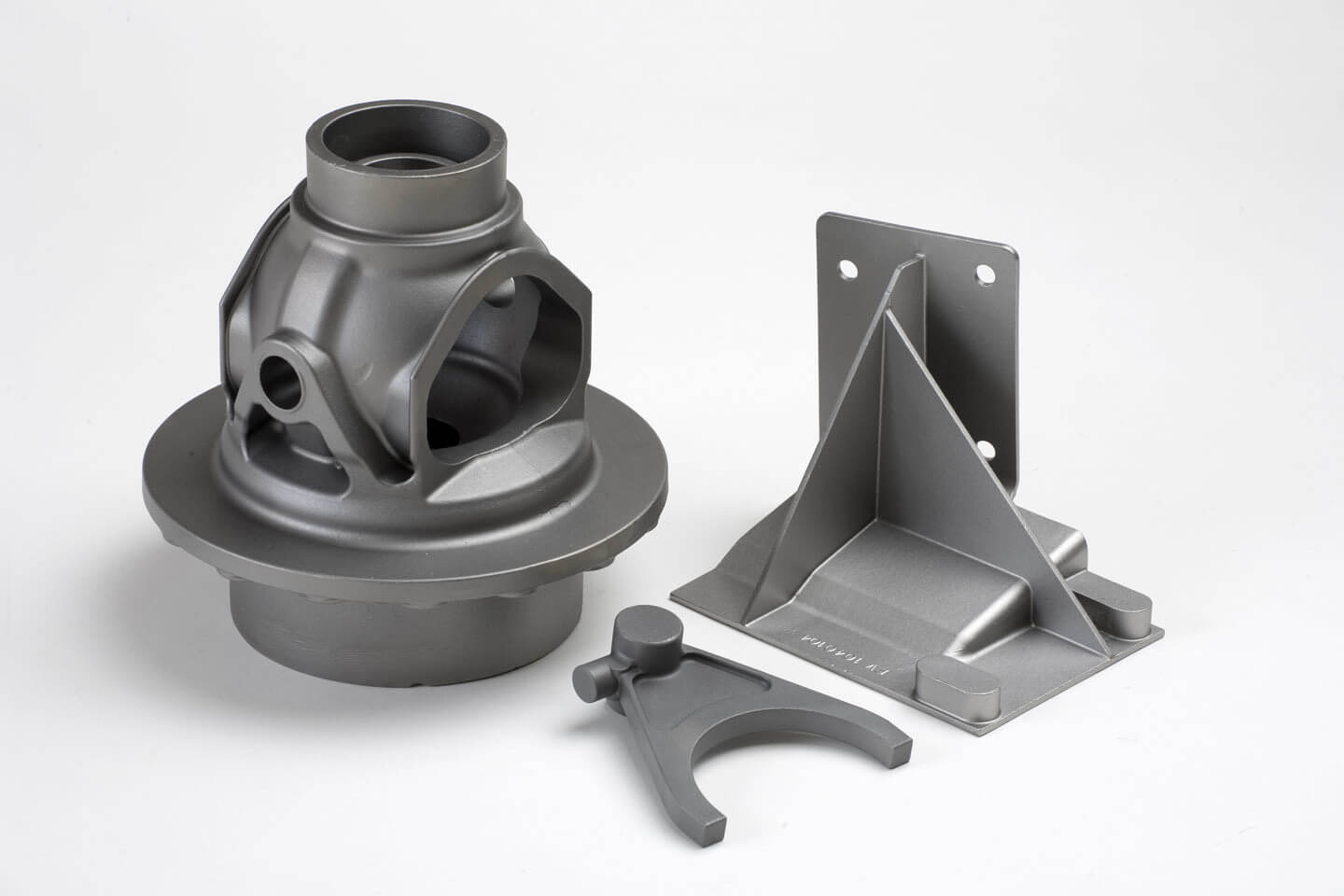
Aluminum castings possess an one-of-a-kind combination of properties that provide them incredibly ideal for a wide variety of industries. Their light-weight nature is one of the most substantial benefits, enabling less complicated handling and reduced transportation costs (Wisconsin Aluminum Foundry). Aluminum spreadings additionally display outstanding rust resistance, which prolongs the lifespan of elements in challenging settings. On top of that, they supply good thermal and electrical conductivity, making them optimal for applications needing effective heat dissipation or electrical connections
Common Applications of Aluminum Castings

In addition, the electric market frequently uses aluminum spreadings for enclosures and housings, assisting in efficient heat dissipation and improving safety. The customer goods sector makes use of aluminum spreadings in items such as cookware and furniture, where appearances and capability are paramount.
The aquatic sector relies on aluminum castings for parts that sustain extreme atmospheres, such as boat hulls and fittings. Generally, light weight aluminum castings offer a multitude of functions, showcasing their adaptability and vital function in modern production procedures.
Various Casting Techniques Clarified
Comprehending the numerous casting methods is vital for picking the proper method for aluminum castings. Two prominent methods, sand spreading and die casting, offer unique advantages and applications. Each approach's unique attributes influence the final product's high quality and viability for details uses.
Sand Casting Refine
While various casting techniques exist, sand spreading continues to be among the most commonly used techniques due to its adaptability and cost-effectiveness. This process entails developing a mold and mildew from a combination of sand and a binding representative, which develops the tooth cavity right into which molten aluminum is put. The sand mold can be conveniently shaped and recycled, enabling the manufacturing of complex geometries. When the aluminum strengthens, the mold is damaged away, disclosing the actors component. Sand spreading is particularly ideal for low to medium production volumes, making it suitable for custom components. Its adaptability to various dimensions and forms, paired with the capability to accommodate detailed layouts, further boosts its popularity in different industries.
Die Spreading Techniques
Pass away casting represents a distinct approach in the field of light weight aluminum casting strategies, offering high precision and efficiency for automation. This method entails compeling molten aluminum right into a mold under high pressure, guaranteeing a high-grade finish and limited resistances. There are 2 primary types of die casting: warm chamber and chilly chamber. Warm chamber die spreading is appropriate for reduced melting point alloys and permits for quick manufacturing cycles. In contrast, cool chamber die spreading is made use of for materials with greater melting points, calling for the aluminum to be ladled right into the chamber. Both methods make it possible for the manufacturing of intricate styles and intricate forms, making die casting a favored selection for sectors such as vehicle, aerospace, and consumer products.
Advantages of Using Light Weight Aluminum Castings
Many benefits make light weight aluminum castings a recommended selection throughout various sectors. To start with, aluminum's lightweight nature substantially decreases the overall weight of products, enhancing link their efficiency and performance. On top of that, aluminum spreadings display outstanding deterioration resistance, which lengthens product life-span and lowers maintenance costs. The material's high thermal and electrical conductivity likewise makes it excellent for applications in auto and electronic devices sectors.
Additionally, light weight aluminum castings can be generated with elaborate layouts, allowing producers to produce complex forms that meet certain requirements. This flexibility not only sustains ingenious designs however also decreases the demand for extra machining processes, conserving time and resources. Light weight aluminum's recyclability lines up with sustainability objectives, appealing to environmentally conscious businesses. Jointly, these benefits placement light weight aluminum castings as a remarkable service for a vast array of applications, ensuring durability, performance, and cost-effectiveness in today's open market.
Providers Provided by Light Weight Aluminum Casting Manufacturers
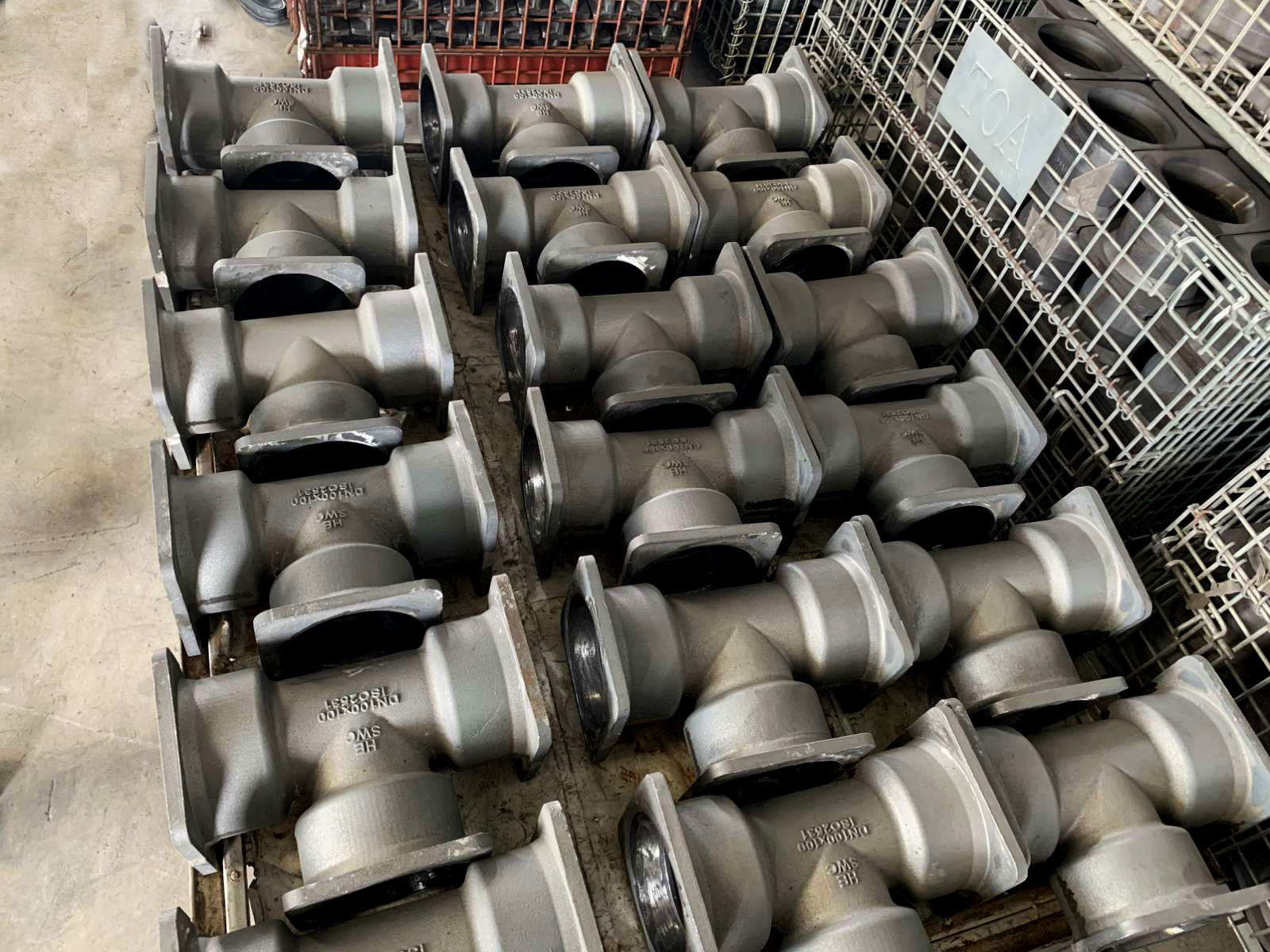
In addition, they commonly give various casting methods, such as sand spreading, die spreading, and investment spreading, each suited for different task needs. Quality guarantee is another crucial solution, with makers applying extensive testing and evaluation methods to ensure that castings fulfill market standards.
Moreover, light weight aluminum spreading companies often aid with finishing solutions, consisting of machining, surface area therapy, and finishing, boosting the final item's durability and visual appeal. Lastly, they may give logistical assistance, assuring prompt shipment and reliable supply chain management to fulfill client target dates.
Tips for Selecting the Right Aluminum Spreading Partner
Choosing the appropriate aluminum casting partner can considerably affect the success of a task (Aluminum Castings). To guarantee compatibility, companies need to first assess the companion's market experience and technological expertise. A supplier with a strong background in details applications can provide cutting-edge remedies and useful understandings
Next, it is vital to evaluate the quality control procedures in place. A reliable companion will adhere to rigid top quality requirements check that and supply qualifications where relevant. Additionally, assessing past projects and customer testimonies can provide a more clear understanding of the partner's capabilities and integrity.
Cost-effectiveness is likewise important; however, it ought to not jeopardize quality. Business ought to look for an equilibrium in between expense and the degree of service provided. Open interaction and responsiveness are vital characteristics. A partner that focuses on partnership fosters an efficient working relationship, inevitably causing effective project results.
Regularly Asked Concerns
Can Light Weight Aluminum Castings Be Repaired if Harmed?
Yes, light weight aluminum spreadings can be repaired if damaged. Aluminum Foundry. Methods such as welding, brazing, or sticky bonding are commonly employed, click here for more depending on the degree of the damage and the details requirements of the repair work procedure
How Do Light Weight Aluminum Castings Contrast to Other Steels?
Aluminum spreadings are lighter, corrosion-resistant, and more malleable compared to other steels like steel or iron. Their exceptional thermal conductivity and recyclability make them a preferred option in various markets, boosting convenience and performance.
What Is the Life Expectancy of Aluminum Castings?
The life expectancy of light weight aluminum spreadings typically ranges from 10 to 50 years, depending on environmental conditions, alloy make-up, and application. Appropriate upkeep and protective actions can greatly boost their sturdiness and long life in numerous setups.
Are Light Weight Aluminum Castings Recyclable?
Yes, aluminum castings are recyclable. They can be melted down and repurposed without shedding their inherent residential or commercial properties, making them an environmentally friendly option. This recycling process adds to sustainability and reduces the demand for new aluminum production.
How Do I Preserve Aluminum Castings?
To keep aluminum castings, one should frequently clean them to remove dirt and oxidation, apply protective finishings to stop corrosion, and examine for damage to assure durability and structural stability in different applications.
The adaptability of aluminum castings enables their prevalent use across various industries. Understanding the various spreading approaches is essential for selecting the appropriate technique for light weight aluminum spreadings. Pass away spreading represents an unique method in the field of aluminum spreading strategies, using high accuracy and efficiency for mass production. Various advantages make light weight aluminum spreadings a preferred selection across numerous markets. Furthermore, they typically provide different casting approaches, such as sand spreading, die spreading, and investment spreading, each suited for various job needs.